
Month 23
Lumbosacral Joint
MONTH 23 OFFER: SPINAL STENOSIS
Is back or leg pain slowing you down? This month's EFIcyclopedia content empowers you to understand spinal stenosis and find relief!
For Month 23, we're shining a spotlight on spinal stenosis—a condition where the spaces within your spine narrow and place pressure on the nerves traveling through it. This can lead to pain, numbness, tingling, or weakness that affects your daily life. We'll break down the key anatomical structures involved, the causes of spinal canal narrowing, hallmark symptoms, and proven strategies to help you move comfortably and confidently again.
Gain valuable insights into how spinal stenosis affects your spine, nerves, and mobility. This knowledge helps you take back control of your health and stay active.
WHAT YOU NEED TO KNOW: To fully understand spinal stenosis, it's essential to learn about the spinal anatomy and how narrowing impacts nerve function.
- Spinal Anatomy Uncovered: Explore the vertebrae, discs, ligaments, and spinal canal, and how they work together to support your movement and protect your spinal cord and nerves.
- Unraveling the root causes: Understand the root causes of spinal narrowing—from age-related degeneration and arthritis to disc bulges, ligament thickening, and congenital factors.
- Signs and Symptoms: Learn the hallmark indicators of spinal stenosis, including leg pain, heaviness, numbness, and symptoms that improve when bending forward—key information to help you seek effective treatment sooner.
HOW: This section outlines the various assessment tools used to diagnose spinal stenosis, including physical exams and imaging studies such as X-rays, MRIs, and CT scans that help identify structural changes in your spine.
WHAT TO DO: Equip yourself with strategies designed to ease symptoms and restore comfort. This month delivers actionable tools tailored to support spinal health.
- Targeted Exercise Approaches: Discover stretches and strengthening routines that improve spinal flexibility, reduce nerve compression, and enhance core stability—crucial for managing stenosis-related pain.
- Prevention and Management: Learn valuable tips for daily posture, activity modifications, ergonomic adjustments, and self-care strategies that help reduce discomfort and prevent flare-ups.
WHY THIS MATTERS: Understanding spinal stenosis gives you the power to make meaningful decisions that support lifelong mobility and well-being.
- Improved Well-Being: Chronic back or leg pain can limit your daily activities and reduce your quality of life. By understanding what's happening inside your body, you can take steps toward lasting relief.
- Informed Decision-Making: Knowledge about spinal stenosis helps you work with your healthcare team to choose the best treatment path—whether through exercises, lifestyle changes, or other medical interventions.
Experience a transformation in your spinal health! Join us for Month 23 of the EFIcyclopedia, where we dive into spinal stenosis and provide practice strategies to help you move freely and live pain-free. We're here to guide you every step of the way toward improved mobility and overall wellness.
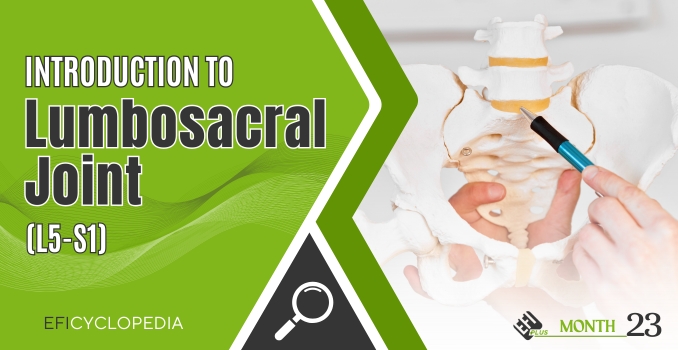
Introduction to Lumbosacral Joint (L5-S1) - 202
The lumbosacral joint, formed by the articulation between the fifth lumbar vertebra (L5) and the first sacral vertebra (S1), plays a critical role in supporting body weight, maintaining posture, and enabling movement between the spine and pelvis. This junction serves as a transition point between the flexible lumbar spine and the rigid sacrum. Clinically, the L5-S1 segment is a common site of degenerative change, disc pathology, and radiculopathy due to its role in load transmission and motion control.
Ankle - General Knowledge
The ankle joint is as vital and versatile as the other structures in human anatomy. Delving into its anatomical complexities, physiological roles, and clinical ramifications is a journey that warrants in-depth exploration. Thoroughly scrutinizing the basic principles and latest developments and comprehending every aspect of this extraordinary joint's anatomy, biomechanics, and functionality enables healthcare providers to accurately evaluate patients and create customized treatment strategies aligned with their unique needs and objectives.

General Knowledge: Spinal Stenosis
Spinal stenosis has become an increasingly common cause of pain, mobility limitation, and reduced quality of life, particularly among adults over the age of 50. It is now recognized as a significant musculoskeletal and neurological condition affecting millions worldwide. As populations age and sedentary lifestyles become more prevalent, the number of individuals living with spinal stenosis continues to rise, often interfering with daily activities such as walking, standing, and maintaining balance.
ASSESSMENT: LUMBAR SPINAL STENOSIS
Lumbar spinal stenosis (LSS) is a degenerative condition characterized by narrowing of the lumbar spinal canal, lateral recesses, or intervertebral foramina, resulting in compression of the cauda equina and lumbar nerve roots. It is one of the most common causes of pain, disability, and reduced walking tolerance in older adults.

NONSURGICAL TREATMENT OPTIONS
Medications don’t “fix” the narrowing, but they can reduce pain and improve function so you can stay active and benefit from therapy. Most guidelines recommend combining meds with exercise/physical therapy rather than relying on pills alone.