
Jobs For Introverts With Anxiety: Low-Stress Careers That Let You Thrive
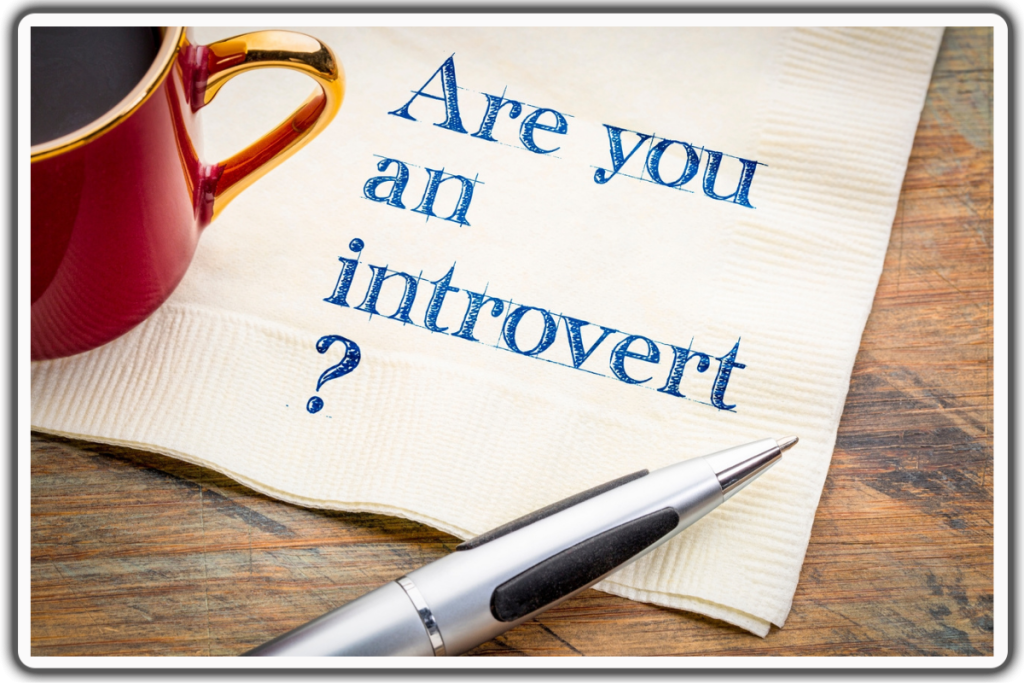
Finding the right career can be challenging especially if you’re an introvert who also deals with anxiety. Loud workplaces, constant social interaction, and high-pressure environments can quickly become overwhelming. The good news? There are many jobs for introverts with anxiety that offer calm, predictable routines, limited social interaction, and the ability to work independently.
In this guide, we’ll explore the best low-stress career options, what makes a job anxiety-friendly, and how introverts can build a fulfilling career without sacrificing mental well-being.
What Makes a Job Ideal for Introverts With Anxiety?
Before diving into specific careers, it helps to understand what characteristics tend to reduce stress and anxiety for introverted individuals.
Key Features of Anxiety-Friendly Jobs
- Limited social interaction (or interaction that is structured and predictable)
- Quiet or controlled environments
- Clear expectations and routines
- Low-pressure deadlines
- Opportunities for remote or independent work
- Minimal conflict or confrontation
Jobs that check several of these boxes allow introverts to focus deeply, recharge mentally, and feel more in control of their day.
Best Jobs For Introverts With Anxiety
Below are some of the most suitable career paths that combine low stress with introvert-friendly work styles.
1. Writer or Content Creator

Writing is one of the most popular jobs for introverts with anxiety and for good reason.
Why it works:
- Mostly independent work
- Minimal real-time interaction
- Flexible schedules
- Can be done remotely
Examples include blog writing, copywriting, technical writing, or ghostwriting.
2. Graphic Designer

Graphic design allows for creativity without constant social demands.
Why it works:
- Communication is often project-based and asynchronous
- Focused, quiet work
- Remote freelance options available
- Clear deliverables reduce uncertainty
3. Data Analyst

If you enjoy working with numbers and patterns, data analysis can be a lower-stress option for some people, particularly in roles with clear expectations and manageable deadlines.
Why it works:
- Logical, structured tasks
- Limited social interaction
- High demand and strong earning potential
- Predictable workflows
4. Librarian or Library Assistant

Libraries are naturally calm environments, making them ideal for anxiety-sensitive individuals.
Why it works:
- Quiet, orderly workplace
- Social interaction is brief and structured
- Repetitive, predictable tasks
- Peaceful atmosphere
5. Accountant or Bookkeeper
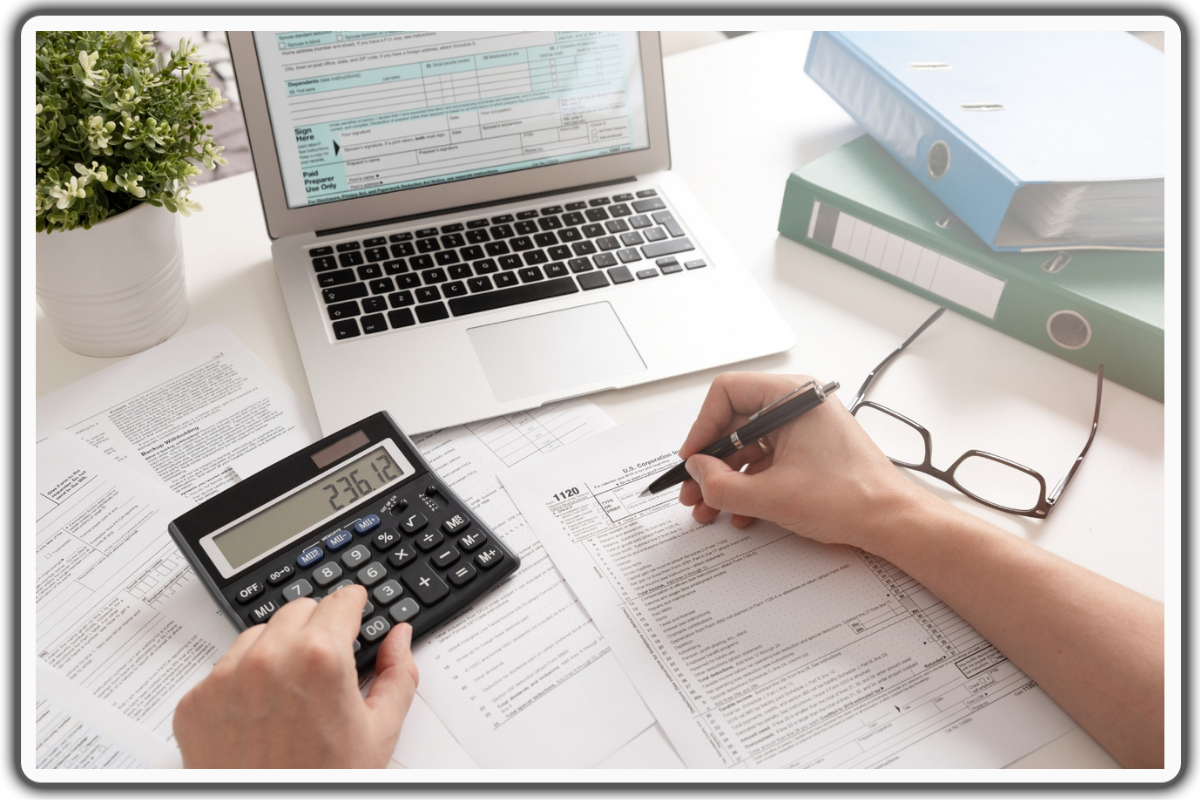
These roles involve working with financial records and numbers rather than people.
Why it works:
- Clear rules and systems
- Independent work
- Minimal emotional labor
- Stable career path
6. Software Developer or Programmer

Coding-focused roles are excellent for introverts who prefer problem-solving over conversation.
Why it works:
- Deep focus work
- Remote opportunities
- Communication is often written, not verbal
- Logical tasks reduce emotional stress
7. Research Assistant

Research roles allow introverts to work behind the scenes.
Why it works:
- Independent tasks
- Minimal public interaction
- Clear objectives
- Ideal for detail-oriented individuals
8. Archivist or Records Manager
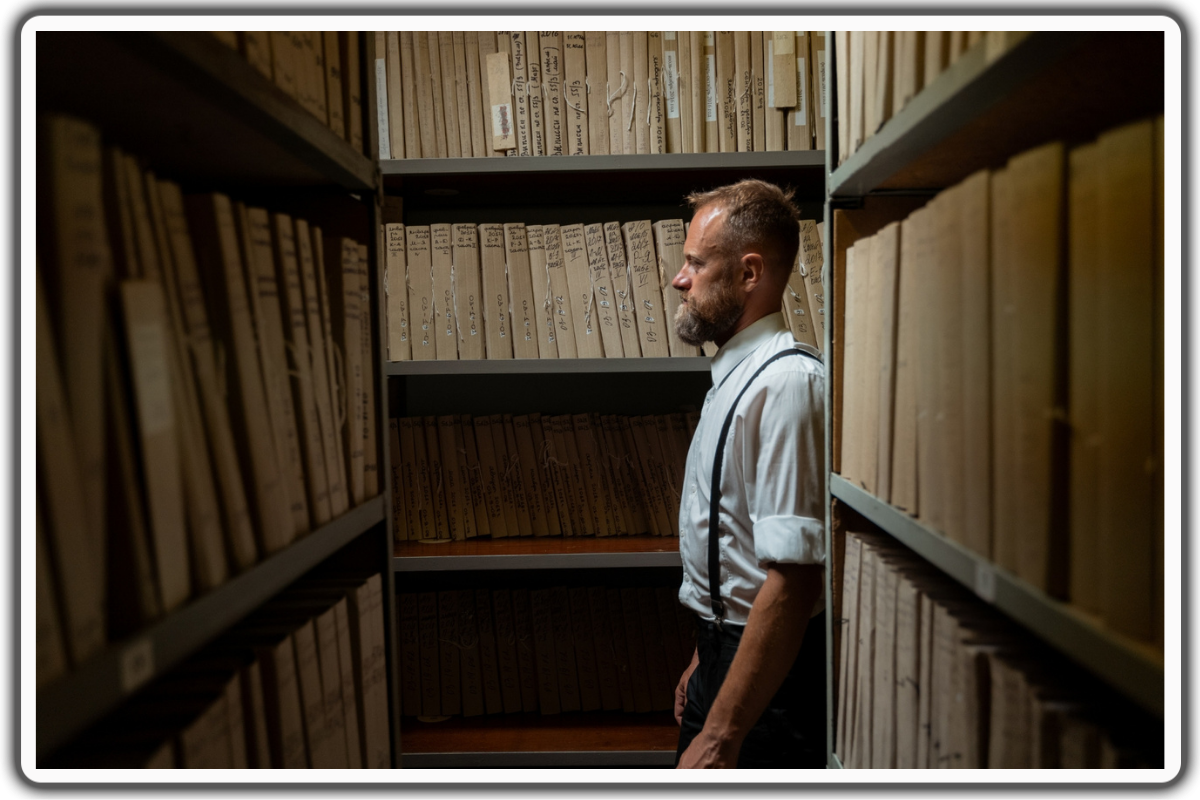
This career involves organizing and maintaining records and documents.
Why it works:
- Very low social demands
- Quiet environment
- Methodical, structured work
- Low-pressure responsibilities
9. Virtual Assistant (Behind-the-Scenes Tasks)

Not all virtual assistant roles require constant calls.
Why it works:
- Email-based communication
- Flexible schedules
- Remote work
- Task-focused responsibilities
10. Animal Caretaker or Pet Sitter

Working with animals instead of people can significantly reduce anxiety.
Why it works:
- Minimal human interaction
- Calming and rewarding work
- Predictable routines
- Ideal for animal lovers
Susan Cain, American author of Quiet: The Power of Introverts in a World That Can’t Stop Talking and former corporate lawyer, offers a powerful insight that directly applies to introverts with anxiety:
“Introverts thrive in environments where they can focus deeply, work independently, and avoid overstimulation. Chronic exposure to high-stimulation settings can lead to exhaustion and anxiety not because something is wrong with the introvert, but because the environment is misaligned.”
— Susan Cain, TED Speaker & Author (USA)
Work-From-Home Jobs For Introverts With Anxiety
Remote work can be a game-changer for managing anxiety. Some top work-from-home options include:
- Freelance writer
- Transcriptionist
- Online researcher
- SEO specialist
- Proofreader
- E-commerce store manager
Working from home allows you to control your environment, take breaks when needed, and avoid overstimulating office settings.
Tips for Managing Anxiety at Work as an Introvert
Even in the right job, anxiety can still show up. These strategies can help:
- Set boundaries around meetings and communication
- Use written communication whenever possible
- Take regular breaks to recharge
- Create a calming workspace
- Seek roles with flexibility and autonomy
- Practice stress-reduction techniques like breathing or mindfulness
Final Thoughts: Finding the Right Fit Matters
The best jobs for introverts with anxiety aren’t about avoiding work they’re about choosing environments that support mental health and personal strengths. Introverts often excel at focus, creativity, problem-solving, and independent thinking. When paired with the right role, these traits can lead to both professional success and emotional balance.
If you’re an introvert living with anxiety, remember: you don’t need to change who you are to succeed, you just need the right work environment.
FAQs
1. What are the best jobs for introverts with anxiety?
The best jobs for introverts with anxiety typically involve low social interaction, predictable tasks, and calm environments. Examples include writer, data analyst, graphic designer, accountant, librarian, software developer, and remote research roles.
2. Are work-from-home jobs good for introverts with anxiety?
Yes. Remote jobs are often ideal because they allow introverts to control their environment, avoid overstimulation, and communicate primarily through written channels. This can significantly reduce anxiety triggers such as meetings, noise, and social pressure.
3. Can introverts with anxiety succeed in high-paying careers?
Absolutely. Many high-paying careers such as software development, data science, UX design, technical writing, and accounting are well-suited for introverts with anxiety because they emphasize skill, focus, and independent work over constant social interaction.
4. What type of work environment should introverts with anxiety avoid?
Introverts with anxiety may struggle in environments that are:
- Loud and chaotic
- Highly competitive
- Heavy on constant meetings or phone calls
- Emotionally demanding (e.g., conflict-driven roles)
Choosing calmer, structured workplaces can make a major difference.
5. Is anxiety a weakness when choosing a career?
No. Anxiety is not a weakness, it’s a signal. For introverts, it often indicates a mismatch between personality and environment. When introverts work in roles aligned with their natural strengths, anxiety often decreases and confidence grows.
References
1- Introverts and Extroverts.
Database: APA PsycArticles Journal Article
Freyd, M.
Citation
Freyd, M. (1924). Introverts and Extroverts. Psychological Review, 31(1), 74–87. https://doi.org/10.1037/h0075875
2- What Is an Anxiety Disorder?
Michelle G. Craske, Ph.D., Scott L. Rauch, M.D., Robert Ursano, M.D., Jason Prenoveau, Ph.D., Daniel S. Pine, M.D., and Richard E. Zinbarg, Ph.D.Authors Info & Affiliations
Publication: FOCUS
Volume 9, Number 3
https://doi.org/10.1176/foc.9.3.foc369
3- The Psychobiology of Stress
Margaret E. KemenyView all authors and affiliations
Volume 12, Issue 4
https://doi.org/10.1111/1467-8721.01246